
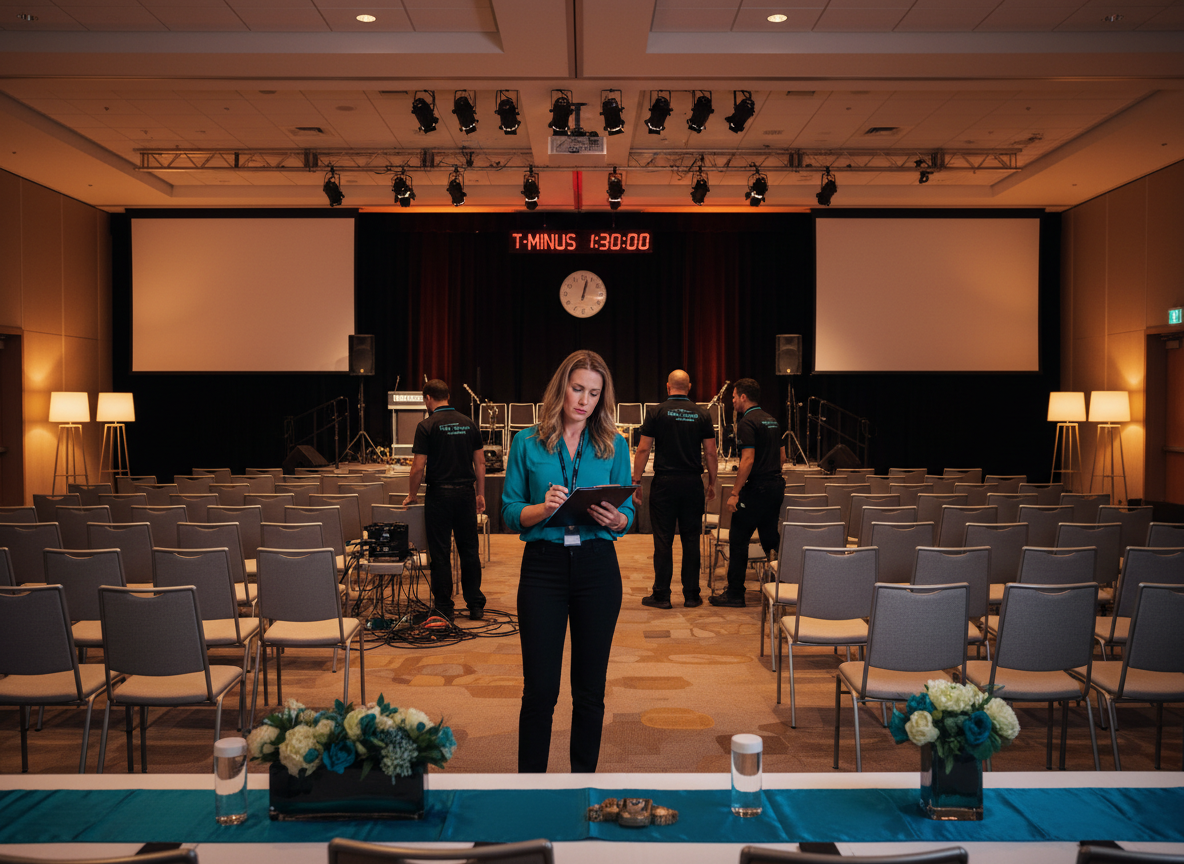
Corporate event planners talk. When a venue delivers a poor experience, word spreads fast. One bad event can cost you not just that client, but every referral they would have sent your way. These are the 7 most common operational mistakes we see costing venues repeat bookings — and how to fix them.
1. No Dedicated Event Contact
Corporate clients need a single point of contact who owns their event from enquiry to follow-up. When they are passed between reception, the restaurant manager, and a part-time events coordinator, confidence evaporates. This mistake alone is costing many venues their most valuable repeat bookings. Assign a dedicated event manager to every corporate booking.
2. Inconsistent Room Setup
The client agreed a boardroom layout for 30. They arrive to find cabaret style for 50 with the wrong AV setup. This happens more often than venues admit. Create detailed setup checklists for every event type and brief your operations team thoroughly the day before. A solid event planning checklist can help structure this process.
3. Poor Catering Timing
Nothing derails a corporate event faster than late coffee breaks or a lunch service that overruns. Corporate agendas are tightly scheduled. Work with the event organiser to agree exact timings and build in buffer. Your kitchen team needs to treat event catering as a precision operation, not a restaurant service.
4. Ignoring AV and Technology
Projectors that do not connect to laptops, Wi-Fi that cannot handle 50 simultaneous users, microphones that cut out mid-presentation. Technology failures are the number one complaint from corporate event organisers. Invest in reliable equipment, test everything before the event, and have a technician available on the day.
5. No Pre-Event Site Visit
Corporate clients want to see the space before committing. If your show-round process is disorganised - wrong rooms shown, spaces not clean, no one available to answer questions - you are losing bookings at the final hurdle. Create a polished show-round experience that sells the vision.
6. Failing to Capture Feedback
Most venues never ask how the event went. A simple post-event call or survey does three things: it shows you care, it identifies issues before they become reputation problems, and it opens the door to rebooking. Build feedback into your standard event process. Understanding how to measure event ROI can help you frame these conversations with corporate clients.
7. No Follow-Up or Rebooking Strategy
The event ends, the invoice is paid, and the client never hears from you again. Meanwhile, they are already planning next year's event and considering three other venues. A proactive follow-up within two weeks - thanking them, sharing event photos, and suggesting dates for next time - can secure repeat bookings worth tens of thousands.
All 7 of these event operations mistakes share a common root cause: treating corporate events as a transactional service rather than a relationship-building opportunity. The venues that fix these issues see a dramatic improvement in repeat bookings, referrals, and overall event revenue.
Related Reading for Venues
Want to Fix Your Venue's Event Operations?
Event Clinic's Venue Growth Reset transforms your event operations, staff training, and client experience in 6-8 weeks. The result: more repeat bookings, better reviews, and higher revenue.
Book Your Free Venue Health Check